What is RPPC (Real Photo Postcard)?
Real Photo Postcards (RPPC) are vintage postcards made by transferring real pictures onto postcard papers. RPPCs documented much of the 20th century from the point of view of ordinary people – never before had photography been so accessible and quick!
You might not think twice about pulling out your phone and snapping a picture, but photography couldn’t capture ordinary moments before the quick-capture format in RPPCs. This blog post mostly covers U.S. RPPC history. You can learn more about older photo techniques in the Ephemera 101 blog series.
What makes RPPC so special?
RPPC is a specific type of picture postcard that represents a milestone in person-to-person visual communication. Developments in photography, mail, and mass production converged to create this wildly popular form of connecting with others. Think about RPPCs as the ancestor of today's Instagram and Snapchat – personal photos shared from one individual to another with some commentary.
The Postcard
Americans in the 1900s were smack-dab in the middle of “Postcard Mania” – tourists sent mementoes from vacations, townspeople sent cards to relatives and friends, and collectors accumulated unused postcards for the sake of collecting! (1). Picture postcards first made their way to consumers at the Chicago World’s Fair in 1893. However, Postcard Mania struck in 1901, when the U.S. Congress allowed independent postcard printing and rural free delivery (2). The backside of postcards at this time only featured the address; people often wrote messages on the front of cards like this 1906 postcard in our collection:

The Golden Age
The Photos
With all these newfound technology and services, the only question left was what to photograph!
Some people took photos with friends or family, like this family photo sent in 1919 (left) or this undated postcard of six friends (right).


Especially popular in the U.S. were Christmas postcards, such as staged photos with Santa Claus, like this one (right), or at-home views of Christmas trees like this 1914 photo (left).


People enjoyed photographing everyday scenes that seem historic today, like this construction scene of what would soon become the Golden Gate bridge.

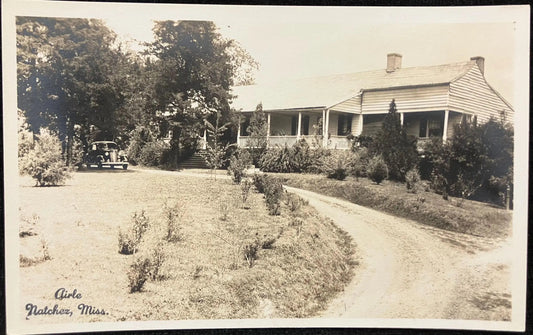
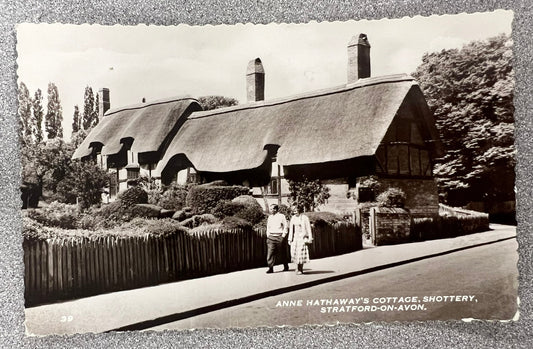
Some destinations, like museums and hotels, printed RPPCs to advertise their scenic views; the Beverly Hills Hotel advertised this photo in the 1940s.

Thanks for reading!
Do you have some RPPC sitting at home? Feel free to leave a comment with questions about RPPC or vintage ephemera.
Sources: